
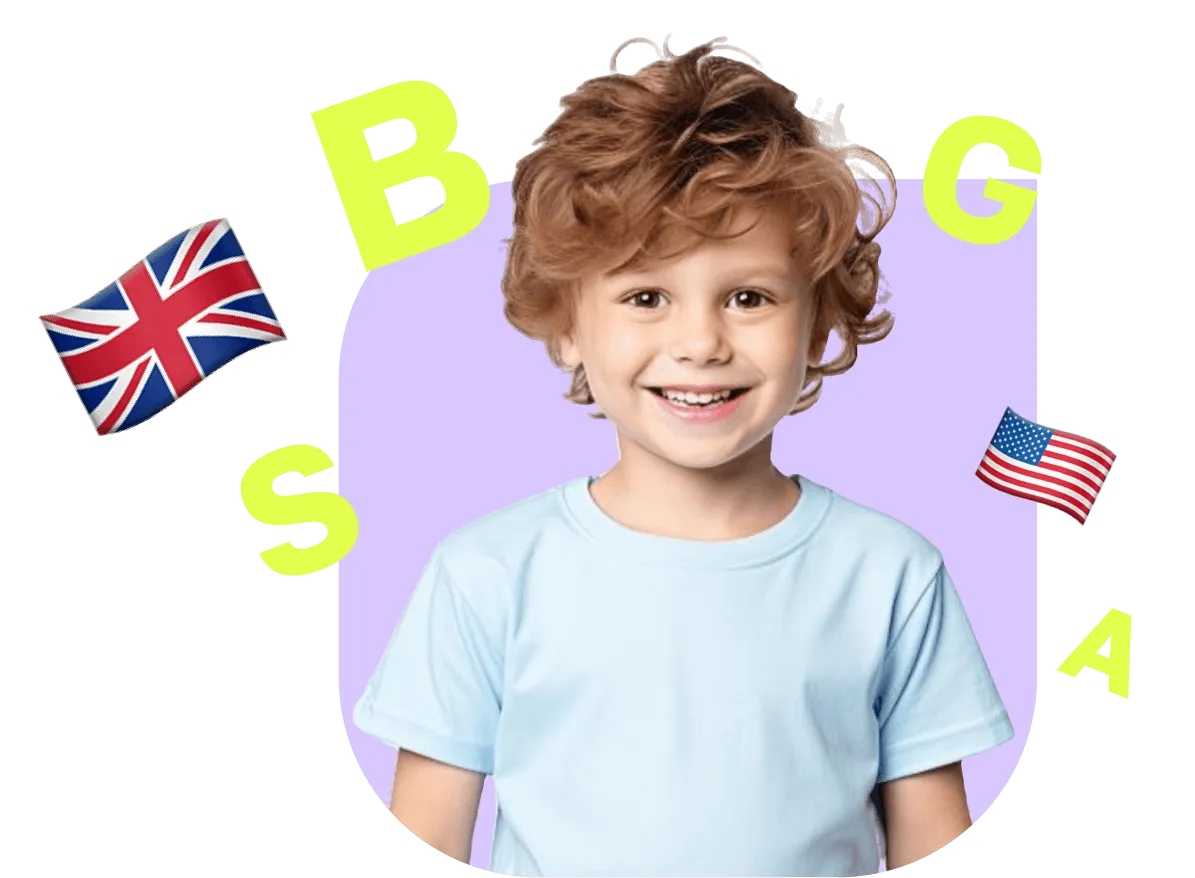
In now s globalized world, English has become one of the most epochal skills for children to learn from an early age. A well-designed Joyful English Learning Program for Children focuses not only on nomenclature acquisition but also on qualification the encyclopaedism work on fun, attractive, and synergistic. When children encyclopedism, they absorb knowledge faster, keep back it longer, and educate a positive position toward breeding in superior general. This is why joyful erudition methods are becoming progressively nonclassical in modern breeding systems worldwide.
Introduction to Joyful English LearningA joyful English learning program is well-stacked on the idea that children teach best when they are engaged and actively mired. Instead of orthodox committal to memory and repetitious exercises, these programs use games, storytelling, songs, visuals, and synergistic activities. The goal is to make an where children feel excited to take part and verbalise themselves in English without fear of making mistakes.
Early exposure to English in a fun way helps children establish confidence and prepare cancel skills. Rather than treating English as a disobedient subject, they begin to see it as a tool for creativity, communication, and play.
Importance of Early English EducationIntroducing English at a young age has many benefits. Children s brains are highly adjustable, qualification it easier for them to pick up pronunciation, lexicon, and grammar naturally. A joyous scholarship program enhances this ability by reducing pressure and increasing curiosity.
Research shows that children who teach languages early tend to prepare better psychological feature skills, including trouble-solving, memory, and multitasking. They also do better in academician subjects later in life. By qualification English eruditeness pleasant, children are more likely to stay homogenous and motivated throughout their educational travel.
Interactive English Lessons for Kids MethodsOne of the core elements of a joyous English erudition programme is interactivity. Instead of passive voice encyclopedism, children actively take part in lessons. Some operational methods let in:
1. Storytelling Sessions:Stories capture children s resource and help them teach new run-in in context of use. Teachers often use illustrated stories to make lessons more engaging.
2. Educational Games:Word puzzles, matched games, and whole number quizzes make lexicon building fun and aggressive in a sound way.
3. Songs and Rhymes:Music helps children remember phrases and better pronunciation. Songs with repetitious lyrics are especially operational for language retention.
4. Role-Playing Activities:Children act out real-life situations such as shopping, greeting friends, or ordering food. This builds confidence in speaking English in unremarkable contexts.
These interactive methods insure that encyclopaedism never feels drilling or forced.
Developing Communication SkillsA key objective of any English encyclopaedism programme for children is to educate strong communication skills. In a joyous learning , children are encouraged to talk freely without worrying about mistakes. Teachers supply assuage corrections and positive reinforcement, which helps build self-esteem.
Group activities also play an epochal role. When children interact with peers, they naturally instruct conversational skills such as hearing, responding, and asking questions. This mixer panorama of erudition is crucial for developing volubility.
Use of Technology in LearningModern elated English programs often integrate technology to enhance eruditeness experiences. Educational apps, moving videos, and synergistic whiteboards make lessons more visually likeable. Online platforms also allow children to practice English through games and virtual classrooms.
Technology helps personalise learnedness according to each child s pace. Some children may learn faster, while others need more time, and digital tools can conform to these differences in effect. This ensures that no child is left behind.
Building Confidence and CreativityA gleeful English learnedness programme does more than instruct terminology it builds confidence. When children with success utter themselves in English, they feel lofty and intended to teach more. Creative activities such as drawing, storytelling, and dramatization further promote self-expression.
Confidence gained through terminology encyclopedism often extends to other areas of life, portion children perform better academically and socially. They become more open to new experiences and challenges.
Role of Teachers and ParentsTeachers and parents play a crucial role in ensuring the success of a gleeful encyclopaedism programme. Teachers act as facilitators, leading children through activities and creating a confirmative environment. Parents, on the other hand, can reward erudition at home through simple activities like reading English storybooks, watching educational cartoons, or practicing basic conversations.
When both teachers and parents work together, children welcome consistent support, which significantly improves scholarship outcomes.
ConclusionA Joyful English Learning Program for Children is an operational and modern approach to language breeding. By combine fun, creative thinking, and interaction, it transforms English encyclopaedism into an pleasant go through rather than a nerve-racking task. Children not only instruct a new terminology but also develop confidence, skills, and psychological feature abilities that gain them throughout their lives.
In a world where English plays a key role in training and communication, starting early with a joyous and engaging program gives children a strong vantage. It builds a origination for lifelong learning and opens doors to international opportunities with trust and enthusiasm.